How to buy Gram (TON) and pay for Telegram ads
Telegram ads are paid in Gram, the coin formerly called Toncoin. How to get it, which wallets Fragment names, how to top up your ad account, and what the fees and refund rules are.
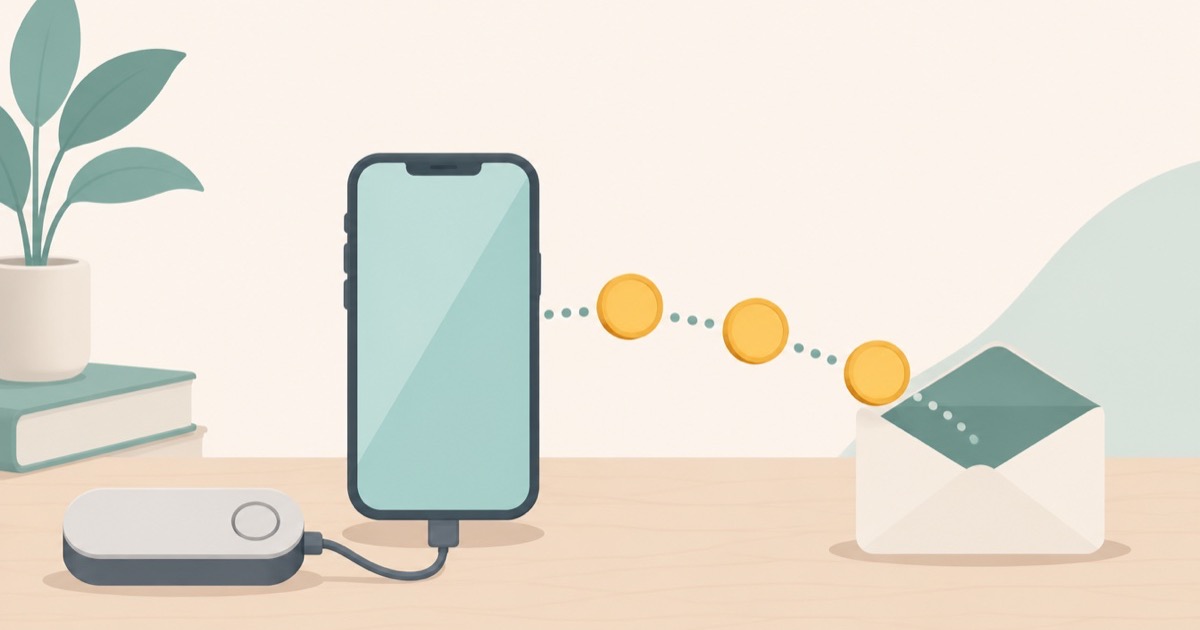
How do you buy Gram (TON) and pay for Telegram ads?
By Andrej Ruckij · November 15, 2026 · Telegram’s ad pages, Fragment and ton.org checked the same day
TL;DR: Telegram’s self-serve ads are paid in Gram, the coin that used to be called Toncoin. TON is still the name of the network. You buy Gram on an exchange or by card, send it to a TON wallet you control, connect that wallet to Fragment, and top up your ad account from there. Fragment names two wallets as examples, Tonkeeper and MyTonWallet. A CPM of 0.1 Gram per 1,000 views is the minimum bid. Telegram publishes no minimum top-up, and nothing you put on the ad account can be withdrawn or refunded, so send only what your first test needs.
We fund and run Telegram ad accounts for clients, so they don’t have to touch a wallet: Telegram ads at Primores.
This is a how-to, not advice on holding crypto. I’m not giving prices or predictions here.
Gram, TON, Toncoin: which one do you need?
They’re the same coin under different names. ton.org now says: “Gram is the native coin” of the TON blockchain, and “The coin was also known as Toncoin” (ton.org). The rename took effect “at 12:00 UTC on June 15, 2026”, with “no swap, bridge, claim, or migration”, and “the blockchain itself will remain The Open Network [TON]” (AMBCrypto). Pavel Durov put it simply: “TON will remain the name of the blockchain while Gram becomes the name of the native currency” (The Block).
So if you searched “how to buy TON for Telegram ads”, the coin you want is Gram (GRAM), on the TON network. Some pages haven’t caught up: Telegram’s getting-started page still says “The minimum CPM for a sponsored message is 0.1 Toncoin” (getting started), while its homepage says “You can pay for your ad with Gram” (Telegram Ads).
What “CPM in Gram” means
CPM is “the price for one thousand views of your ad” (getting started). On the self-serve account you set it in Gram, and 0.1 is the floor.
It’s a bid, not a fixed price. Telegram serves your ad “whenever the Advertiser’s CPM bid wins the Auction for a particular Publication Space” (terms), and it may “change the list of available Publication Spaces and minimum CPM”. Because the CPM is set in the coin, its dollar value moves with the coin’s price. On our own campaigns the median came to $0.48 per 1,000 views; how much Telegram ads cost explains how that compares.
Two agencies quote other numbers: “€2 minimum CPM” (Admiral Media) and a self-serve top-up “from 10 EUR” with card payment (Spilno Agency). Neither matches Telegram’s own Gram-only self-serve flow, so I’d read them as describing reseller accounts in euros.
Step 1: get a TON wallet
You need a wallet that holds Gram and can connect to Fragment. Fragment’s ad page says: “Download and install a TON wallet, such as Tonkeeper or MyTonWallet” (Fragment). Its “full list of available wallets” link redirected to the ton.org homepage when I checked, so I couldn’t read the rest of the list.
Those two are non-custodial: “nobody holds the keys to your funds but you” (Fragment). That cuts both ways. When you set one up, “You will be presented with a numbered list of words – this is the equivalent of your password and you must write it down or store it securely. Failure to do so will result in the irreversible loss of your wallet, funds and collectibles.”
Telegram also has its own wallet now. ton.org describes “The non-custodial Gram Wallet from the Telegram team” as “natively integrated into the messenger interface” (ton.org). It began “rolling out Gram Wallet to a select group of users” at the end of August (Crypto Briefing). I couldn’t confirm it’s open to everyone yet, and Fragment’s ad pages don’t mention it, so I’d use one of the wallets Fragment lists.
Step 2: buy Gram
Fragment’s own instructions: “Purchase some Grams (GRAM) on a crypto exchange such as OKX or ByBit — or using your bank card” (Fragment). Its “full list of exchange services” link also redirected to the ton.org homepage when I checked.
Expect identity checks on the exchange side: “some of them may ask for a form of identification – this is to be expected as you will be exchanging funds” (Fragment).
How much to buy? Telegram doesn’t publish a minimum top-up, only the 0.1 CPM floor. I’d buy what one test needs plus a little for fees. For what a useful first test costs, see the minimum budget for Telegram ads; our calculator turns a budget and CPM into views.
Step 3: send it to your wallet
Next, Fragment says to move your Gram from the exchange to your own wallet (Fragment). Fragment’s own warning here: “if you don’t insert the correct wallet address, your funds may be lost. For maximum safety, copy-paste your wallet address directly from the wallet app” (Fragment).
One trap I’d know about: “On some wallets, one ‘account’ can contain several wallets (ie., wallet versions)”. If your coins seem to be missing, Fragment says to “open your wallet settings and look for ‘Versions’, ‘Wallets’ or similar labels”. Also, “Funds will not appear directly on Fragment, they’re only visible in your TON wallet.”
Step 4: top up the ad account through Fragment
From Fragment’s “How to Pay for Ads?” (Fragment):
- “Log into the Telegram ad platform using your Telegram account.”
- “Choose Budget » Add Funds on Fragment on the Telegram ad platform.”
- “Proceed with payment on Fragment using your Grams (GRAM).”
On Fragment, “you will need to connect your TON wallet to Fragment. Then, simply enter the budget for your ad account in Grams and tap ‘Add Funds’” (Fragment).
If an agency or a colleague runs the account, check the account before you pay: “It is the sole responsibility of the Advertiser to ensure that funds are deposited into the Balance of the correct Account” (terms). The full ad setup is in how to run Telegram ads, step by step.
Fees, refunds and restrictions
Fees. Fragment says “Transactions may also be subject to small blockchain fees (~1 Gram) that are outside Fragment’s control” (Fragment). ton.org lists a basic network transfer at about 0.001 Gram (ton.org), so I’d read Fragment’s ~1 Gram as an allowance to keep in the wallet, not the usual cost. Exchanges set their own withdrawal fees.
No refunds. On Fragment, “all purchases on Fragment are final” (Fragment). On the ad account, the balance “cannot be withdrawn by the Advertiser, transferred to a different Account, or refunded”, and it’s “forfeit after three years of continuous Inactivity” (terms). The only way money moves back is from an ad to your ad balance: “stop and delete the ad – the remaining funds will be returned to your overall budget” (getting started).
Restricted countries. “Users from certain countries may currently be restricted from purchasing Ads on Telegram”, and Fragment can’t change that list (Fragment). No list is published.
Verification. No Fragment page I read mentions identity checks for ads. Some users on Trustpilot report being asked to verify and refused without a reason (Trustpilot). That’s a handful of complaints, not documentation, but it’s worth knowing before you send money.
How to do it
What I’d do for a first top-up:
- Work out the test budget first, in dollars, and how much Gram that is today. Add a little for fees.
- Install a wallet Fragment lists and write the recovery words on paper. Never type them anywhere else.
- Buy Gram on an exchange or by card, as Fragment describes. The exchange may ask for ID.
- Send a small amount first to your wallet address, copied from the wallet app. Send the rest once it arrives.
- Log in to ads.telegram.org, choose Budget » Add Funds, connect the wallet on Fragment and enter the amount in Gram.
- Check the ad balance before you write the ad. Remember it can’t come back to your wallet.
For the rest of the setup, start from the guide to advertising on Telegram.
Sources
- ton.org: Gram, formerly Toncoin; Gram Wallet; network fees
- Telegram Ads: paid in Gram
- Telegram Ad Platform: Getting started: CPM and the 0.1 minimum, funds returned to the ad balance
- Telegram Ad Platform: Terms of Service: auction, no withdrawals or refunds, correct account
- Fragment: Telegram ads: how to pay, wallets and exchanges Fragment lists
- Fragment: about: wallet setup, addresses, fees, final purchases, restricted countries
- AMBCrypto and The Block: the rename
- Crypto Briefing: Gram Wallet rollout
- Admiral Media and Spilno Agency (agencies): euro minimums
- Trustpilot: Fragment: user verification reports
- Our own data: Primores campaigns on Telegram’s ad platform (CPM only)